The Community Laundry at Alora Ecovillage
One of the more practical but surprisingly important features envisioned for Alora Ecovillage was the shared community laundry and laundromat facility. While it may not have carried the same visual appeal as the council house, artisan market, or solar stage, the laundry building reflected many of the deeper values behind the Alora vision: sustainability, resource sharing, ecological responsibility, and thoughtful community design.
Rather than every household maintaining separate washers, dryers, plumbing systems, detergents, and energy use, Alora’s community laundry was intended to provide a centralized, efficient, low-impact alternative that reduced waste while encouraging cooperation and environmental stewardship.
Like many structures within the ecovillage plan, the laundry facility was designed not merely as a utility building, but as an example of how even ordinary daily activities could be reimagined through permaculture principles and sustainable design.
A Shared Laundry Space for Community Living
The Alora Ecovillage laundry was envisioned as a communal laundromat-style facility available to all residents of the village. The idea behind the shared space was both ecological and practical.
Modern households often duplicate appliances that remain unused much of the time, consuming energy, materials, water, and money unnecessarily. A shared community laundry system dramatically reduces this duplication while simplifying maintenance and lowering the overall environmental footprint of the community.
The laundry building would likely have included:
- Multiple high-efficiency washing machines
- Indoor folding and sorting tables
- Shelving for natural detergents and supplies
- Seating and social gathering areas
- Outdoor covered workspaces
- Storage for reusable laundry baskets and drying equipment
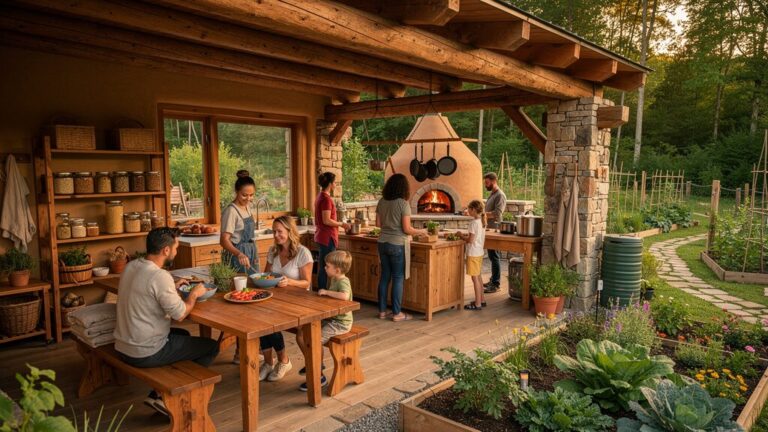
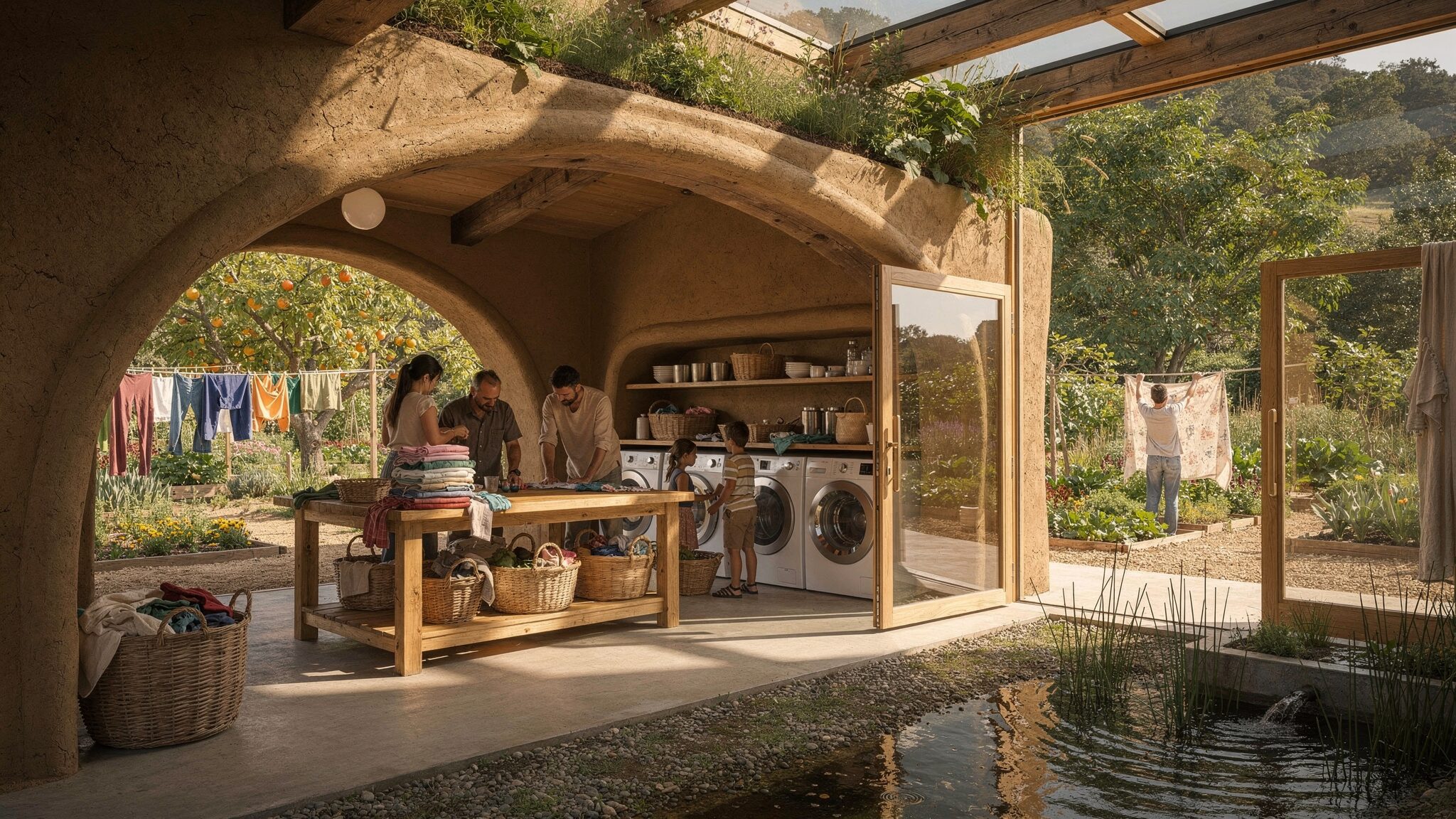
Rather than feeling sterile or industrial like many commercial laundromats, the space was imagined as warm, welcoming, and integrated into the natural aesthetic of Alora Ecovillage.
Natural lighting, earthen textures, reclaimed wood details, and views of surrounding gardens and outdoor spaces would help transform the laundry into a more pleasant and communal experience.
The “Solar-Powered Dryer” at Alora Laundry
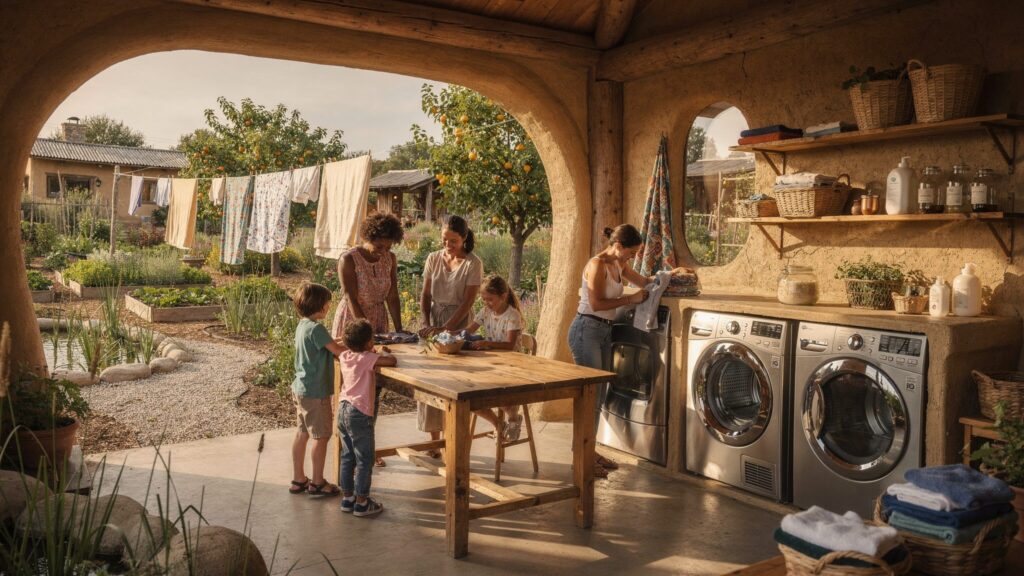
One of the more humorous but practical concepts associated with the Alora Ecovillage laundry was the “solar-powered dryer,” which was a network of outdoor clotheslines powered entirely by sunlight and fresh air.
Long before electric dryers became standard household appliances, people around the world dried clothing naturally outdoors. Alora sought to revive this simple and energy-efficient practice as part of its broader commitment to reducing unnecessary energy consumption.
Outdoor clotheslines would have been arranged throughout a carefully designed drying area near the laundry building itself. Covered sections could protect from light rain while still allowing airflow and passive solar drying.
The environmental advantages of clothesline drying are significant:
- Zero electricity use
- Reduced appliance wear
- Lower fire risk
- Extended clothing lifespan
- Elimination of unnecessary energy waste
But beyond practicality, the “solar-powered dryer” concept also reflected Alora’s larger philosophy of embracing simpler, lower-impact ways of living without sacrificing quality of life.
Fresh air, sunlight, and slower rhythms of daily activity are part of a healthier and more grounded lifestyle.
Sustainable Construction and Natural Materials at Alora Laundry
The community laundry building itself was intended to reflect the same ecological building principles found throughout Alora Ecovillage.
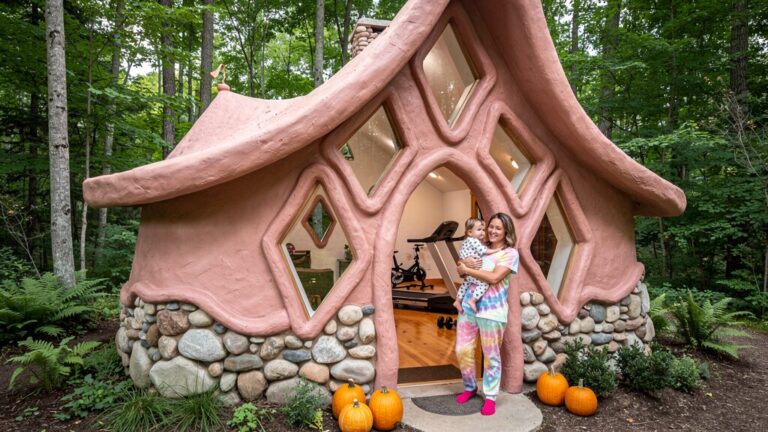
Natural materials such as cob, adobe, reclaimed wood, stone, and timber framing would likely have been used in construction wherever possible. Passive solar orientation, natural ventilation, and thick earthen walls could help regulate interior temperatures while minimizing energy needs.
The building was envisioned not as a generic utility structure, but as another handcrafted and aesthetically integrated part of the village landscape.
Large overhangs, outdoor workspaces, native landscaping, and rainwater management systems would all help connect the laundry facility to the larger ecological design of the community.
Greywater Catchment and Recycling Systems
One of the most important environmental features planned for the Alora Ecovillage laundry was the integration of greywater catchment and recycling systems.
Greywater refers to relatively clean wastewater generated from sinks, showers, and washing machines. Rather than allowing this water to become waste, Alora intended to redirect and filter it through ecological systems designed to minimize environmental impact and potentially support irrigation for non-food landscaping or other appropriate uses.
The laundry facility would therefore rely heavily on:
- Biodegradable and low-toxicity detergents
- Water-conscious washing practices
- Natural filtration systems
- Greywater recycling infrastructure
- Soil and watershed protection strategies
Permaculture principles strongly influenced this aspect of the design. In permaculture systems, waste is viewed as a misplaced resource. The goal is to create closed-loop systems where outputs from one activity become inputs for another whenever possible.
By reducing harmful chemicals and recycling water thoughtfully, the laundry facility would help protect the surrounding soil, streams, plant life, and wildlife habitats.
More Than a Utility Building
Although laundry facilities are often overlooked in community planning, the Alora Ecovillage laundry was intended to serve an important social role as well.
Historically, communal washing areas often became informal gathering places where people exchanged news, had conversations, shared stories, and engaged in daily interactions. Alora recognized that these seemingly ordinary spaces can help strengthen the social fabric of a community.
Residents folding clothes together, tending outdoor drying lines, or waiting for wash cycles could naturally engage in conversation and build relationships through simple shared routines.
In this sense, the laundry facility reflected one of Alora’s broader ideas: community is built not only through major festivals and events, but also through the rhythms of ordinary daily life.
A Different Vision of Sustainability
The Alora Ecovillage laundry represented a different approach to sustainable living — one focused not on expensive technological complexity, but on practical ecological design, shared resources, and thoughtful simplicity.
The use of greywater systems, natural drying methods, biodegradable products, and communal infrastructure demonstrated how even routine household activities could become more environmentally responsible when approached collectively and intentionally.
Although Alora Ecovillage itself was never fully realized, the vision behind the community laundry continues to reflect the larger dream of creating a cooperative, ecologically grounded way of life where sustainability becomes part of everyday experience rather than a marketing slogan.
Share your thoughts in the comments below!
Do you share our vision of an intentional community based on the arts? What do you think it would take to achieve critical mass for such a community? Contact us and let us know!