
The Artisan’s Workshop and Creative Workshop Spaces at Alora Ecovillage
An artisan’s workshop was always going to be the center of our community, one of the defining features of Alora Ecovillage. While many sustainable communities focus primarily on agriculture, energy independence, or ecological architecture, Alora was envisioned as something broader and more human-centered: a living community where art, craftsmanship, music, and creativity were woven into daily life. At the center of that vision was the idea of shared artisan workshop spaces and a recurring open-air artisans’ workshop where residents could sell, trade, and celebrate their creations.

The goal was not simply to create a marketplace. The vision for Alora was to create an entire creative ecosystem where people could live sustainably while also supporting themselves through meaningful artistic and handcrafted work. In a world increasingly dominated by mass production, disposable products, and isolated digital lifestyles, Alora sought to revive the older idea of the village artisan as the people whose skills, creativity, and labor contributed directly to community life.
The Vision Behind the Artisan’s Market
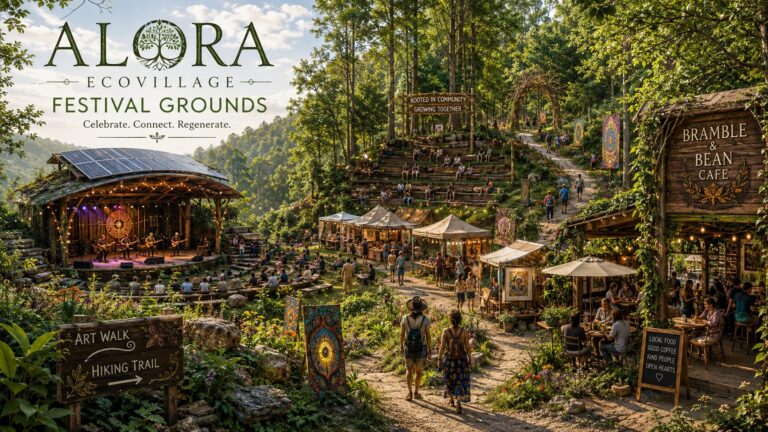
The monthly artisan‘s market was designed to be more than a commercial event. Held on the first Saturday of every month, the market would function as a social gathering, cultural festival, and economic engine for the community. Residents would set up open-air booths featuring handmade crafts, artwork, herbal products, musical instruments, pottery, clothing, woodworking, jewelry, organic produce, baked goods, and other locally created items.
Visitors from surrounding communities would be invited to attend, bringing outside support and helping establish a localized economy centered around craftsmanship and sustainability rather than corporate consumer culture. The market would also create opportunities for musicians, storytellers, and performers to contribute to the atmosphere, transforming each gathering into a celebration of creativity and community.
The intention was for the artisan’s market to reflect the values of Alora itself: local production, ecological mindfulness, cooperation, and human connection.
Artisan’s Market Workshops and Crafting Areas
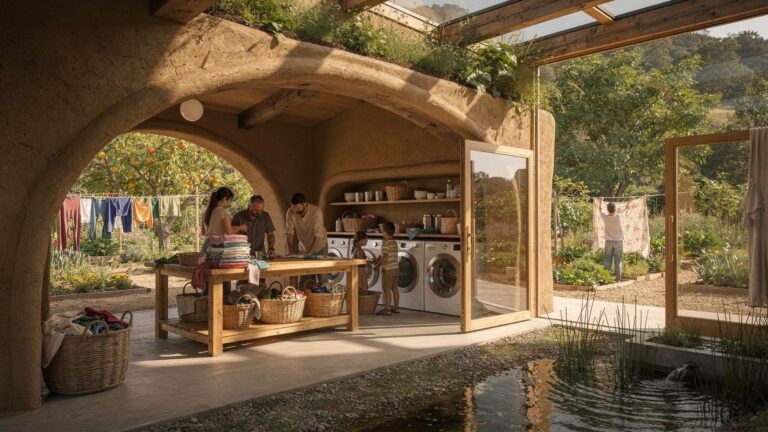
To support this creative culture, Alora Ecovillage envisioned dedicated artisan workshops and crafting areas distributed throughout the community. These spaces would provide residents with access to tools, shared workspaces, and collaborative environments where ideas and skills could be exchanged freely.

Possible workshop spaces included:
- Woodworking and carving studios
- Pottery and ceramics areas
- Fiber arts and weaving rooms
- Herbal preparation and apothecary spaces
- Painting and mixed-media art studios
- Musical instrument crafting workshops
- Metalworking and blacksmithing areas
- Communal maker spaces for experimentation and innovation
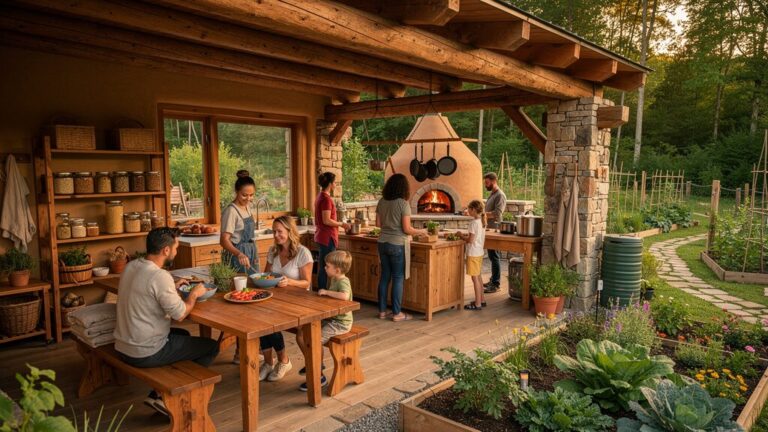
Rather than isolating people into individual garages or private workshops, Alora emphasized cooperative creative spaces where residents could learn from one another and work collectively when appropriate. Experienced artisans could mentor younger residents or visitors interested in learning traditional skills that are increasingly disappearing in modern society.
These spaces were also intended to help support economic resilience. Many residents would ideally earn at least part of their income through creative and handcrafted work sold at the artisans’ market, regional festivals, online platforms, or community events.
An Artisan’s Market: What Makes Alora Different
What made Alora Ecovillage different from many other intentional communities was the recognition that sustainability is not only ecological, it is cultural and emotional as well.
Many ecovillages emphasize practical sustainability while unintentionally neglecting beauty, music, ritual, celebration, and creativity. Alora sought to balance both. The belief behind the project was that people are more likely to remain connected to sustainable living when life also feels meaningful, expressive, and inspiring.
In Alora’s vision, creativity was not considered a luxury or a hobby. It was viewed as an essential part of healthy community life.
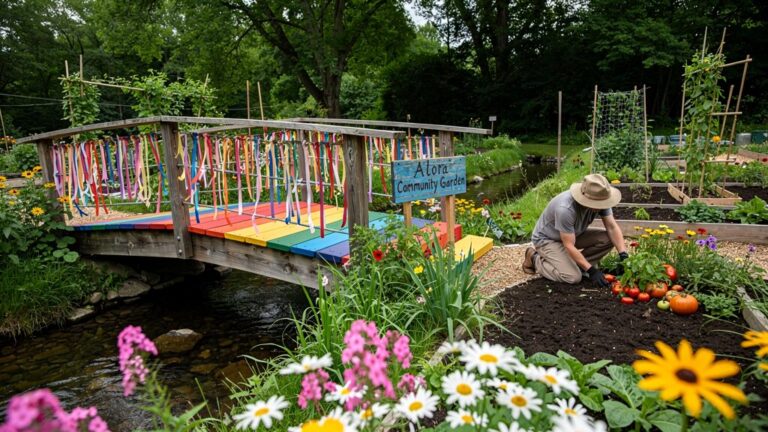
Another major difference was the integration of nature-centered spirituality and artistic culture into the physical design of the community itself. Hiking trails featuring eco-art installations, communal gathering spaces, outdoor performance areas, and seasonal festivals were intended to make the entire village feel like a living work of art rather than simply a housing development with gardens.
The monthly artisan‘s market represented this philosophy perfectly. It was envisioned not as a commercial strip or flea market, but as an ongoing community ritual where people gathered to exchange ideas, stories, skills, food, music, and handmade creations.
Artisan’s Market: Building Local Resilience Through Creativity
Modern economies often separate people from the products they use and from the communities around them. Alora attempted to reverse that pattern by encouraging local production and direct exchange.
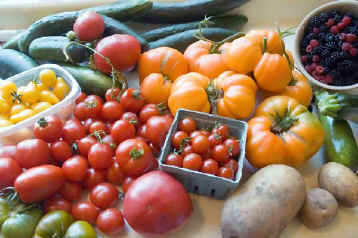
An artisan who creates handmade pottery in the village might trade with a gardener producing herbs and vegetables. A musician performing at the market might collaborate with a leatherworker crafting instrument straps or drum makers creating percussion instruments for community gatherings. In this way, the artisan‘s market would become part of a circular local economy rooted in relationships rather than anonymous transactions.
This model also aligned naturally with permaculture principles. Just as permaculture seeks to create interconnected ecological systems where each element supports the others, Alora sought to create interconnected human systems where creativity, sustainability, and community reinforced one another.
A Dream Still Worth Sharing
Although Alora Ecovillage was never fully realized, the dream behind it continues to resonate with people seeking alternatives to industrialized, disconnected modern life. The idea of combining sustainability, cooperative living, artistic culture, and ecological stewardship remains just as relevant today as when the concept first emerged more than 25 years ago.
The artisan workshops and monthly artisan‘s workshop series were always intended to serve as the cultural heartbeat of the community as a place where creativity, self-reliance, and human connection could thrive together.
Perhaps someday the conditions will exist for communities like Alora to finally take root and flourish.
Share your thoughts in the comments below!
Do you share our vision of an intentional community based on the arts? What do you think it would take to achieve critical mass for such a community? Contact us and let us know!